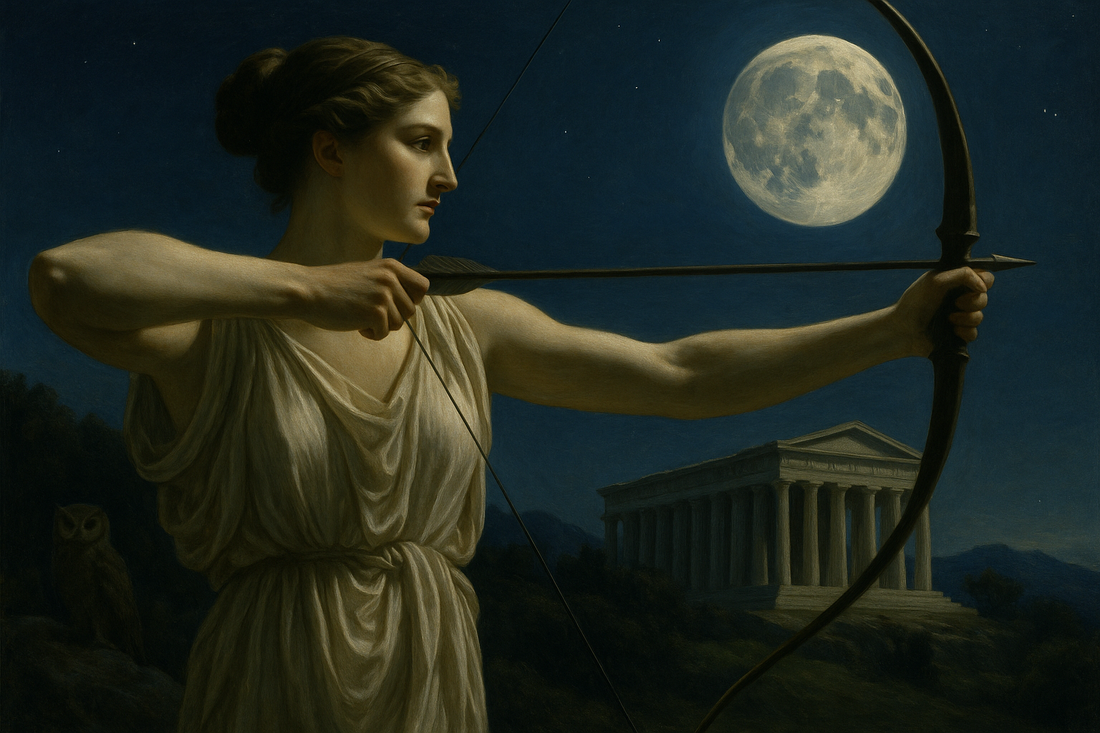
When we talk about astrology, we usually think of the 12 zodiac signs. But there is another way of dividing the sky that more closely follows the rhythm of the Moon: the lunar mansions . This system segments the lunar orbit into 27 or 28 sections , depending on the tradition, and allows for a much more refined, everyday reading of the sky.
The Sun to the Zodiacal Signs = The Moon to the Lunar Mansions
Just as the zodiac signs organize the Sun's annual journey through the zodiac, the lunar mansions structure the Moon's monthly movement. Just as each Sun sign marks a stage in the annual cycle, each lunar mansion represents a more precise and brief phase of the lunar cycle—a kind of symbolic map that accompanies the Moon's daily passage across the sky.
Lunar mansions have been used for millennia in various cultures. In Vedic astrology , they are known as nakshatras and form the basis of the entire system. In the Western Arab and medieval traditions, they are used as manāzil al-qamar , or mansions of the Moon, and are especially associated with magical, agricultural, and electional astrology.
Today, recovering this knowledge is a way to tune into the daily rhythms of the sky. Lunar mansions allow us to better choose the moments to act, understand emotional nuances not seen in the solar zodiac , and fine-tune our astrological practice with a level of detail that accompanies the Moon's rapid and changing movement. They are an especially valuable tool for those who work with choice, intention, and short-term predictive astrology . Furthermore, in modern astrology, they are also being explored in natal analysis , observing the mansion in which the Moon was located at the time of birth, which provides additional information about emotional perception, sensitivity, and how each person navigates their own internal cycles.

What Exactly Are Lunar Mansions?
The lunar mansions are divisions of the zodiac based on the monthly path of the Moon. Astronomically, the Moon takes approximately 27.3 days to complete a full revolution around the Earth, traversing the entire zodiacal belt. Based on this cycle, different cultures divided this path into fixed sections that allow for more precise observation of the Moon. daily rhythm of the Moon.
It is important to clarify that lunar mansions should not be confused with lunar phases : while the phases are determined by the relationship between the Moon and the Sun (new Moon, waxing, full, waning), the mansions are based exclusively on the position of the Moon within the zodiac .
There are two main systems for calculating lunar mansions:
• In Vedic astrology , the zodiac is divided into 27 equal parts of 13°20′ each. These sections are called nakshatras , and they form one of the central pillars of Indian astrology.
• In the Western Arab and medieval tradition, the route was divided into 28 mansions of approximately 12°51′ , known as manāzil al-qamar . These mansions were primarily used to select auspicious moments for practical, magical, and ritual tasks.
“The lunar stations are the positions the Moon occupies each night on its path through the zodiac. They are divided into twenty-eight fixed parts, beginning with the head of Aries. They are used in Arabic astrology to determine daily influences.”
( al-Bīrūnī, The Book of Instructions on the Art of Astrology , 11th century)
Each mansion has its own symbolic meaning, with specific energetic qualities, as if each section of the sky had a distinct emotional, spiritual, or material signature. Some favor beginnings, others are better for closing or nurturing what's already underway. There are mansions linked to love, conflict, protection, expansion, or introspection.
Understanding which mansion the Moon is in at a given moment allows you to fine-tune your daily calendar with much greater precision than using traditional zodiac signs alone. It's a way of reading the day from the logic of the subtle, the symbolic, and the strategic.
Tropical or Sidereal System
Likewise, we must keep in mind that depending on the system used (Vedic or Western-Arabic), there are two main ways to calculate the lunar mansions: tropical and sidereal . The tropical mansions are based on the Western zodiac, which takes the vernal equinox (0° Aries) as its starting point; therefore, their positions change slightly over time due to the precession of the equinoxes. The sidereal mansions, on the other hand, are based on the fixed constellations of the sky, so they maintain a constant relationship with the stars. Vedic astrology uses the sidereal system, while Western traditions work with the mansions in a tropical key. This difference can cause a discrepancy of several degrees between the two versions, so it is important to know which one is being used when consulting a table or application.
How to Know Which Mansion the Moon Is in Today?
To find out which mansion the Moon is in at a given time, you can use ephemerides , astrological apps , or specialized software that allows you to view the exact degree of the Moon in the zodiac.
A simple way to calculate it is as follows:
1. Use an astrology app or software (such as Astro Gold, Astro-Seek, or TimePassages) to find the exact zodiac degree the Moon is in at that moment.
2. If you're using the 27-mansion (Vedic) system, divide the zodiac into 13°20' segments. For example:
• From 0° to 13°20′ of Aries = first mansion
• From 13°20′ to 26°40′ of Aries = second mansion
• And so on throughout the zodiac.
3. If you use the 28-mansion (Arabic/Western) system, it divides the zodiac into 28 parts of approximately 12°51′ each, starting from 0° Aries.
There are also pre-designed tables and online calculators that directly tell you the current lunar mansion by day and time, without the need for manual calculations.
The Moon changes mansions approximately every 24 hours , so this system allows you to work with a very fine daily rhythm, ideal for those who observe the sky with a practical, emotional or strategic focus.

Uses of Lunar Mansions
Lunar mansions can be used in different ways depending on the astrological approach. They provide a level of detail that complements other tools such as signs, lunar phases, or aspects. These are some of their main uses:
• Electional Astrology
Lunar mansions are an interesting and useful factor to consider in electional astrology. They are not the only element considered when choosing the right moment for an action, but they complement the analysis by providing specific nuances depending on the type of event to be initiated. Some mansions favor beginnings, others are more appropriate for keeping processes running, concluding stages, or strategically retiring. Integrating them allows for more precise timing.
• Magical or Spiritual Astrology
In ancient traditions they were used to create talismans, perform rituals or formulate intentions according to the symbolic qualities of each mansion (the practice of talismans has experienced a mild resurgence in the 2020s). In a more contemporary approach, they can also be applied to set the tone for a daily mindfulness practice or as a guide for specific meditation exercises or affirmations.
• Daily Emotional or Energetic Observation
As the Moon reflects emotional states and subtle changes, lunar mansions can serve as a tool for Daily self-observation. Recording your mood, quality of attention, or decisions made based on the mood of the day can reveal personal patterns that aren't always apparent to the naked eye.
• Lunations
The exact degree at which a New Moon or Full Moon occurs also activates a specific lunar mansion. Incorporating this information allows for a better understanding of the type of energy that begins or culminates in each lunation, adding a more precise symbolic nuance to the analysis of each monthly cycle.
• Complement to the Natal Chart or Transits
In modern astrology, some people look at the mansion in which the Moon was located at the time of birth. This information can provide additional insight into emotional sensitivity, the way one navigates cycles, or how one perceives internal processes. It can also be useful in reading transits, as a secondary layer that nuances everyday experience.
Can Lunar Mansions Be Used with Other Planets?
Although the mansions are specifically designed to follow the daily path of the Moon, some modern astrologers have begun to explore their symbolic application to other planets . This is an experimental practice, seeking to extend the logic of the mansions to enrich astrological interpretation.
However, from a traditional perspective, the Moon is the primary activator . It is its transit that energizes the qualities of each mansion and sets the daily pulse of the sky. Therefore, the lunar mansions remain, above all, a tool associated with lunar movement.
As an advanced option, some people look at the mansion in which a transiting planet is located , especially if it's involved in a lunation, conjunction, or key moment. This can add additional symbolic nuances to the analysis, but always as a complement, without displacing the central axis represented by the Moon in this system.

Table of the Lunar Mansions (Arabic-Western Tradition)
In this blog, when we talk about lunar mansions—whether in the analysis of lunations, transits, or daily recommendations —we base ourselves on the Western-Arab tradition , which divides the zodiac into 28 mansions of approximately 12°51′ each. Below, we present a detailed table with the traditional Arabic name, its symbolic meaning in English, its zodiacal position, and a clear interpretive summary for action.
1. Al-Sharatain (The Two Signs)
Degrees: 0°00′ – 12°51′ Aries
Keywords: momentum – conflict – progress – tension
Favorable for: competitive activities, defending a position, making brave decisions
Unfavorable for: weddings, reconciliations, harmonious beginnings
Note: Activates processes that require force or breaking. Useful when cutting, opening, or resisting.
2. Al-Butain (The Small Belly)
Degrees: 12°51′ – 25°43′ Aries
Keywords: protection – seclusion – containment – discretion
Favorable for: consolidating what has already been started, keeping secrets, protecting something valuable
Unfavorable for: public exhibitions, long journeys, impulsive beginnings
Note: Ideal for sheltering or keeping people, ideas or situations safe.
3. Al-Thurayya (The Pleiades / The Rains)
Degrees: 25°43′ Aries – 8°34′ Taurus
Keywords: fertility – abundance – beauty – creativity
Favorable for: emotional relationships, art, gardening, starting growth processes
Unfavorable for: confrontations, legal issues, breakups
Note: Very auspicious for everything you want to nourish or make flourish, including money.
4. Al-Dabarān (The Follower)
Degrees: 8°34′ – 21°26′ Taurus
Keywords: ambition – power – desire – conquest
Favorable for: moving forward firmly, taking a leading role, defending a cause
Unfavorable for: activities requiring sensitivity, diplomacy or subtlety
Note: good for acting decisively, although with the risk of rigidity or imposition.
5. Al-Hak'ah (The White Spot / The Place of Mark)
Degrees: 21°26′ Taurus – 4°17′ Gemini
Keywords: exposition – expression – message – clarity
Favorable for: communicating, launching an idea, giving a speech, showing results
Unfavorable for: matters requiring confidentiality, delicate judicial issues
Note: Useful for making something visible, making statements, or starting key conversations.
6. Al-Han'ah (The Mark on the Forehead / The Scar)
Degrees: 4°17′ – 17°08′ Gemini
Keywords: repair – learning – sensitivity – emotional mark
Favorable for: studies, corrections, reconciliations, asking for help
Unfavorable for: ambitious beginnings, trials, confrontations
Note: Good for emotional healing processes or reviewing past mistakes.
7. Al-Dhirāʿ (The Forearm)
Degrees: 17°08′ – 29°59′ Gemini
Keywords: initiative – direct action – assistance – movement
Favorable for: helping others, short trips, resolving practical matters
Unfavorable for: long-term promises, unstable alliances
Note: Active, practical, and decisive. Ideal for moving forward.
8. Al-Nathrah (The Nose / The Drop of Water)
Degrees: 0°00′ – 12°51′ Cancer
Keywords: intuition – perception – receptivity – vulnerability
Favorable for: introspection, care, sensitive or artistic activities
Unfavorable for: impulsive decisions, public launches
Note: Excellent for connecting with the emotional or symbolic, but not for confrontation.
9. Al-Tarf (The Gaze / The Bright Eye)
Degrees: 12°51′ – 25°43′ Cancer
Keywords: surveillance – observation – protection – strategic perception
Favorable for: detecting opportunities, protecting interests, analyzing details
Unfavorable for: naivety, overexposure
Note: Mansion of alertness and peripheral vision. Good for detecting hidden objects or preventing mistakes.
10. Al-Jabhah (The Forehead / The Shining Face)
Degrees: 25°43′ Cancer – 8°34′ Leo
Keywords: authority – affirmation – clarity – structure
Favorable for: making firm decisions, giving guidelines, leading
Unfavorable for: topics that require flexibility or emotional listening
Note: Useful when you need to show confidence, take control, or consolidate a position.
11. Al-Zubrah (The Lion's Mane / The Lion's Curl)
Degrees: 8°34′ – 21°26′ Leo
Keywords: brilliance – charisma – presence – magnetism
Favorable for: public presentations, art, self-esteem, showing achievements
Unfavorable for: strategic modesty, tasks requiring a low profile
Note: Excellent for being seen, standing out, and expressing yourself strongly.
12. Al-Sarfah (The Change / The Turning Point)
Degrees: 21°26′ Leo – 4°17′ Virgo
Keywords: turn – decision – separation – cut
Favorable for: ending ties, setting limits, cutting off unnecessary things
Unfavorable for: beginnings that require continuity, consolidations
Note: Activates separation or release processes. Ideal for releasing burdens or redefining postures.
13. Al-Awwāʾ (The Shouter / The Warner)
Degrees: 4°17′ – 17°08′ Virgo
Keywords: warning – correction – judgment – precision
Favorable for: reviewing details, making judgments, preventing errors
Unfavorable for: acting without information, complex negotiations
Note: Demanding mansion, oriented toward order and critical evaluation. Improvisation is not allowed.
14. Al-Simāk (The Unarmed)
Degrees: 17°08′ – 29°59′ Virgo
Keywords: separation – discernment – vulnerability – authenticity
Favorable for: necessary breakups, breaking off empty commitments, divorces, moving, authentic beginnings after a closure, deep healing processes
Unfavorable for: marriages of recent relationships without solid foundations, superficial commitments, forced agreements, long trips by land
Note: Excellent for separating the useful from the useless and for losing the fear of what people will say.
15. Al-Ghafr (The Cover / The Shelter)
Degrees: 0°00′ – 12°51′ Libra
Keywords: shelter – protection – shelter – privacy
Favorable for: keeping secrets, healing bonds, creating safe spaces
Unfavorable for: public events, unnecessary exposure
Note: Protective mansion, ideal for resting, regaining energy or protecting something valuable.
16. Al-Zubānā (The Claw / The Pincer)
Degrees: 12°51′ – 25°43′ Libra
Keywords: defense – just force – justice – balanced confrontation
Favorable for: resolving disputes, defending rights, taking a firm stand
Unfavorable for: avoiding necessary conflicts, postponing decisions
Note: A mansion for facing what can no longer be avoided. Good for acting with justice and determination.
17. Al-Iklīl al-Janūbī (The Crown of the South)
Degrees: 25°43′ Libra – 8°34′ Scorpio
Keywords: prestige – recognition – hierarchical protection – solemnity
Favorable for: receiving honors, appearing before authority figures, requesting support
Unfavorable for: impulsive or rebellious actions
Note: favors formal, institutional, and acts that require recognition or legitimacy.
18. Al-Qalb (The Heart / The Vital Center)
Degrees: 8°34′ – 21°26′ Scorpio
Keywords: intensity – truth – depth – transformation
Favorable for: healing, transforming, getting to the bottom of a situation
Unfavorable for: frivolities, superficial negotiations
Note: One of the most powerful mansions. It connects with the emotional center of what we experience.
19. Al-Shaulah (The Tail / The Sting)
Degrees: 21°26′ Scorpio – 4°17′ Sagittarius
Keywords: final push – rupture – determination – reaction
Favorable for: cutting something off permanently, acting forcefully, closing a cycle
Unfavorable for: smooth beginnings, reconciliations
Note: Radical mansion. It marks the point where something should end or change without ambiguity.
20. Al-Na'am (The Ostriches / The Light March)
Degrees: 4°17′ – 17°08′ Sagittarius
Keywords: movement – liberation – journey – perspective
Favorable for: moving around, moving forward without weight, looking for new directions
Unfavorable for: long commitments, rigid structures
Note: Expansive, light-hearted mansion. Ideal for leaving behind what restricts you and moving freely.
21. Al-Baldah (The City / The Inhabited Place)
Degrees: 17°08′ – 29°59′ Sagittarius
Keywords: community – permanence – rootedness – everyday life
Favorable for: domestic issues, organization of daily life, sustainable projects
Unfavorable for: moving, big risks, impulsive decisions
Note: Ideal for laying foundations, taking care of what you already have, or taking on realistic responsibilities.
22. Sa'd al-Dhābiḥ (The Luck of the Cutthroat)
Degrees: 0°00′ – 12°51′ Capricorn
Keywords: sacrifice – drastic decision – necessary end – unavoidable act
Favorable for: breaking with habits, relationships or dynamics that have already completed their cycle
Unfavorable for: delicate beginnings, situations requiring gentleness or diplomacy
Note: Intense mansion, useful when you have to do what you're avoiding. Activates a break that opens up new space.
23. Sa'd Bula (The Fate of the Devourer)
Degrees: 12°51′ – 25°43′ Capricorn
Keywords: absorption – concretion – acquisition – need
Favorable for: obtaining resources, materializing ideas, resolving deficiencies
Unfavorable for: generous initiatives without clear limits
Note: Good for generating tangible results, but prone to hoarding. Beware of greed.
24. Sa'd al-Su'ūd (The Luck of Lucks)
Degrees: 25°43′ Capricorn – 8°34′ Aquarius
Keywords: elevation – achievement – clarity – success
Favorable for: important projects, firm decisions, dedication of efforts
Unfavorable for: improvisations, doubts, excessive dispersion
Note: One of the most auspicious mansions. Ideal for affirming what has been built and making forward-thinking decisions.
25. Sa'd al-Akhbiyah (The Fate of the Tents/Shelters)
Degrees: 8°34′ – 21°26′ Aquarius
Keywords: protection – community – support – containment
Favorable for: meetings, mutual support, teamwork, networking
Unfavorable for: isolation, individual actions with excessive load
Note: conducive to building ties and seeking collaborative solutions.
26. Al-Fargh al-Muqaddam (The First Part of the Vessel / The Front Hole)
Degrees: 21°26′ Aquarius – 4°17′ Pisces
Keywords: opening – anticipation – promise – previous step
Favorable for: preparing something, planning, opening a stage
Unfavorable for: finalizing processes, seeking immediate results
Note: Mansion of preparation. The moment is not yet one of concretization, but of conscious opening.
27. Al-Fargh al-Mu'akhkhar (The Second Part of the Vessel / The Rear Hole)
Degrees: 4°17′ – 17°08′ Pisces
Keywords: culmination – delivery – dispersion – synthesis
Favorable for: concluding something, letting go, understanding what has been experienced
Unfavorable for: beginnings, definitive decisions without reflection
Note: Mansion of closure and dissolution. Useful for accepting what is ending or integrating it wisely.
28. Al-Batn al-Hūt (The Belly of the Fish)
Degrees: 17°08′ – 29°59′ Pisces
Keywords: incubation – mystery – inner transformation – waiting
Favorable for: internal processes, dreams, spiritual work, gestation of ideas
Unfavorable for: concrete actions, public visibility, accelerated decisions
Note: Last mansion of the cycle. The external closes and the invisible is activated. Ideal for pausing or shaping what has yet to be revealed.

Tips for Getting Started with Lunar Mansions
You don't need to memorize all 28 mansions or master all their nuances to begin incorporating them into your astrological practice or your daily life. Like any symbolic language, the most effective way to begin is with direct observation and personal recording .
Here are some tips to get you started:
• Start by observing how you feel each day.
Note the mansion where the Moon is located and record your energy, your mood, the decisions you make, and what's happening around you. Over time, you'll begin to recognize your own patterns.
• Work with the clearest or most favorable mansions at first.
Some mansions have more accessible or harmonious meanings for everyday activities. You can start by choosing days with mansions like Al Thurayya (fertility and beauty), Al Simāk (balance), or Sa'd al-Su'ūd (achievement and clarity), and test which activities feel most aligned.
• Combines lunar mansion and lunar phase.
The same mansion doesn't have the same effect on a waxing Moon as it does on a waning Moon. For example, an advancing mansion will be more useful if the Moon is also waxing. That combination will give you a more complete reading of the day.
• Use the mansion as a guide, not a restriction.
Mansions are a symbolic framework for fine-tuning your perception of the moment. They don't replace free will or personal decisions. Sometimes a day may not be astrologically ideal, but it may be perfect for other reasons. The key is balance.
• Follow the Moon, not only with your mind, but also with your body.
The mansions speak of rhythms, and the Moon marks them in real time. If you feel uncomfortable, restless, or especially clear one day, look at which mansion the Moon is in and write down what you see. Over time, this record will become a much more refined intuition.
If you've never paid attention to lunar mansions before, this may be a good time to start. In all the lunation posts on this blog , you'll find a specific section analyzing the lunar mansion in which the Sun-Moon conjunction occurs . This is a good starting point for observing how each segment of the sky symbolically influences the monthly cycles.
You can start by simply looking at which mansion the Moon is in today... and observing. You'll learn the rest as you go.